Quick Summary
Yoga vs Pilates for strength depends on your goal. Yoga builds strength through bodyweight holds, balance and whole-body integration, while Pilates targets the deep core through slow, controlled movement. Many people benefit from doing both.
- Yoga builds endurance and whole-body strength through poses like plank, chair pose and warrior II.
- Pilates builds core strength through slow, precise movements like the hundred and roll-ups.
- Reformer Pilates adds resistance by adjusting spring tension in small steps as you get stronger.
- Mat Pilates progresses through lever length, tempo and range rather than added load.
- Yoga holds build endurance more reliably than maximal strength, so pair yoga with resistance training for maximal gains.
Table of Contents
- Yoga vs Pilates for Strength: What Each Practice Builds
- Pilates vs Yoga for Core Strength
- Reformer Pilates vs Mat Pilates: Which Builds More Strength?
- Best Yoga Poses for Strength and How to Progress Them
- How Often to Train and Booking Your First Class at Morning Light Studio
- Frequently Asked Questions
Yoga vs Pilates for Strength: What Each Practice Builds
Last Updated: November 21, 2026
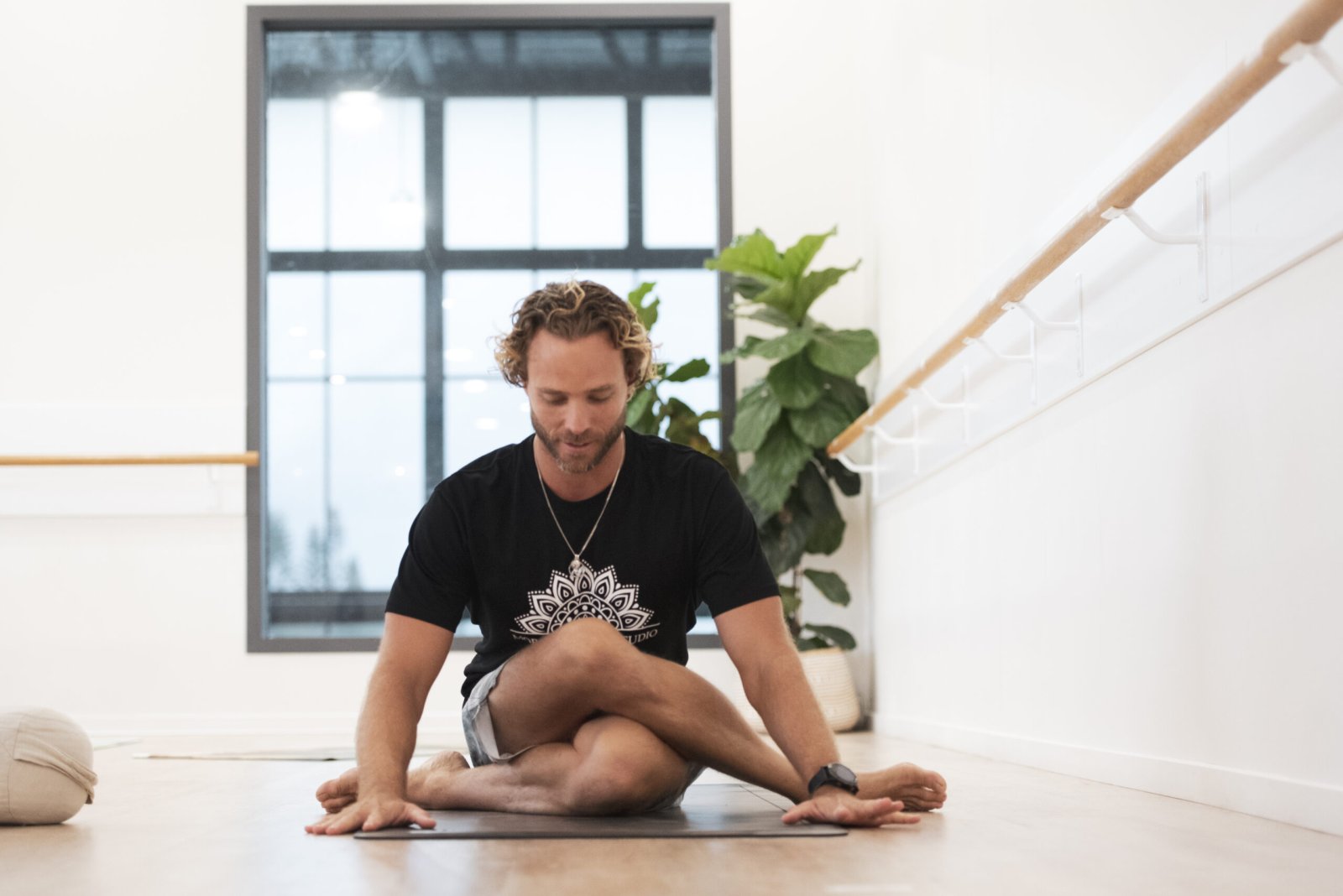
Yoga and Pilates both build real strength, but they build it in different ways. At Morning Light Studio in Bokarina, we teach both, and the question we hear most is simple: which one actually makes you stronger? The honest answer is that it depends on what you mean by strength, how long you have been training, and which style you choose.
Yoga vs Pilates is a comparison people often make because the two are grouped together, yet their strength outcomes differ in useful ways. Yoga tends to build strength through bodyweight holds, balance and whole-body integration. Pilates tends to concentrate on the deep core and controlled movement. Understanding that difference is the first step toward choosing the right class for your goals.
How yoga builds strength through bodyweight holds
Yoga builds strength by asking your body to hold positions against gravity. Plank, chair pose, warrior poses and arm balances all load the shoulders, legs and trunk. Holding a position for several breaths creates muscular endurance, and that endurance carries over into everyday tasks like carrying groceries or climbing stairs.
A common mistake is treating yoga as purely a flexibility practice. Many beginners focus on how far they can stretch and overlook the strength demands of each pose. Shift your attention to the muscles working underneath the stretch, and the strength side of yoga becomes much clearer.
How Pilates builds strength through controlled core work
Pilates builds strength through slow, precise movements that keep the deep abdominal and back muscles switched on. The emphasis is on control rather than load. Exercises like the hundred, roll-ups and leg circles ask your stabilising muscles to hold your pelvis and spine steady while your limbs move.
The thing nobody tells beginners is that Pilates feels easier than it looks until you try to keep the movement smooth from start to finish. That control is where much of the strength develops.
Pilates vs Yoga for Core Strength
Pilates is generally considered a more targeted choice for core strength. Yoga also trains the core, but it does so as part of full-body poses, which means the core shares its effort with the arms and legs.
Neither approach is wrong. If your primary goal is a stronger, more stable trunk, Pilates offers a more direct route. If you want core strength that supports balance and whole-body movement, yoga does that well too. Many people find that doing both gives them the strongest overall result.
Reformer Pilates vs Mat Pilates: Which Builds More Strength?
Reformer Pilates uses a sliding carriage, springs and straps, while mat Pilates relies on body weight, gravity and leverage. Both build strength, but they change the stimulus in ways that matter for progression. Because the right resistance depends on whether you are building strength or addressing a movement limitation, the distinction between physical therapy vs Pilates can help clarify which approach fits your needs.
On a reformer, spring tension sets the resistance and the direction of the load. Lighter springs make an exercise less stable and demand more control; heavier springs add resistance but can make the movement easier to stabilise. That is why a reformer can feel harder with light springs on some exercises and harder with heavy springs on others. The adjustable carriage also allows exercises that are difficult to replicate on a mat, such as controlled leg presses, long-box work and seated rowing patterns.
Mat Pilates uses your own body weight and the length of your levers. Exercises like the hundred, roll-ups, teasers and side-lying series become harder as you extend the limbs further from the centre or slow the tempo. Mat work develops muscular endurance and control very effectively, but the resistance is fixed by your body, so progression comes from leverage, tempo, range and complexity rather than from adding load.
For strength specifically, the practical difference is progression. Reformer work gives you an external dial, spring tension, that lets you add resistance in small steps as you get stronger. Mat work gives you a bodyweight dial, lever length, tempo and unilateral variations, that is just as real but requires more coaching to progress safely.
A useful way to compare them is by training level:
- Beginner: mat work builds the foundational control and breathing patterns that make reformer work safe.
- Intermediate: reformer work lets you add resistance and complexity while keeping the spine supported, which suits people who want to build strength without loading the joints heavily.
- Experienced: combining both is common, mat work for control and endurance, reformer work for adjustable resistance and exercise variety.
Watch out: adding spring tension is not automatically progress. If the carriage moves faster than you can control, reduce the load and slow the movement instead.
The article’s comparison of reformer and mat training can be scanned quickly in the table below.
| Training | Resistance source | Main progression |
|---|---|---|
| Reformer Pilates | Adjustable spring tension | Add spring tension in small steps |
| Mat Pilates | Body weight and leverage | Lever length, tempo and range |
| Beginner | Mat work | Builds control and breathing |
| Intermediate | Reformer work | Adds resistance, spine supported |
| Experienced | Both combined | Mat for endurance, reformer for resistance |
Best Yoga Poses for Strength and How to Progress Them
Yoga builds strength through isometric holds, slow transitions and balance work. The poses below are the most useful for strength because they load large muscle groups and can be progressed without equipment.
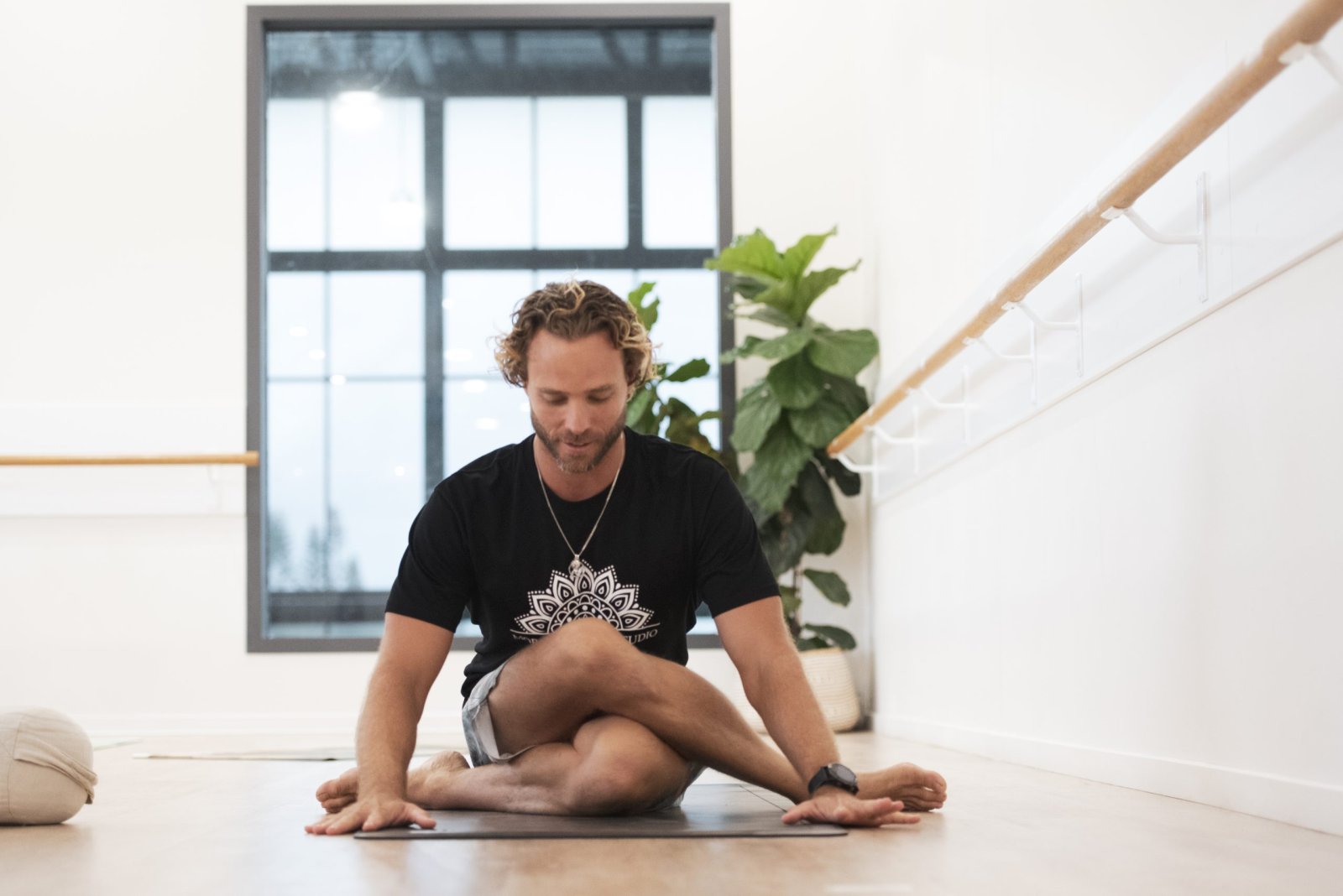
- Plank and forearm plank: load the shoulders, arms, chest and trunk. Progression is hold time first, then lifting one foot, then moving to a slow push-up transition.
- Chair pose: loads the quads and glutes. Progression is depth, then hold time, then a single-leg variation.
- Warrior II: develops the legs, hips and stability. Progression is a longer hold, then a narrower stance, then adding a slow transition to reverse warrior.
- Boat pose: targets the deep abdominals and hip flexors. Progression is a longer hold, then lower legs, then straight legs.
- Arm balances such as crow: build shoulder and wrist strength plus trunk control. Progression is a supported version with a block or wall before attempting the full balance.
A common mistake is treating these poses as flexibility work and rushing the hold. Strength comes from the muscles working underneath the stretch, so slow the transition and keep the breath steady.
Progression looks different for each person. Focus on alignment and breathing first, then gradually extend hold times and add variations as control improves.
It helps to distinguish muscular endurance from maximal strength. Yoga holds build endurance, the ability to sustain effort over time, more reliably than maximal strength, which requires progressive loading. If your goal is maximal strength, yoga complements a resistance-training program rather than replacing it.
Watch out: pushing into a deeper range before you can control the current one is the most common cause of strain in strength-focused yoga. Hold the range you can control and progress the hold time first.
How Often to Train and Booking Your First Class at Morning Light Studio
Consistency matters more than intensity, especially in the first few months. Rest days give your muscles time to adapt.
If you are ready to start, a book a Reformer Pilates class is a good place to begin, and you can try an introductory pass to see how the studio feels before committing. Our teachers adjust exercises for every level, so beginners and returning students can train side by side.
Ready to build strength in a space designed for every level? Book a Class at Morning Light Studio and find the practice that suits you.
Frequently Asked Questions
Is yoga or Pilates better for building strength?
Neither is universally better. Yoga builds strength mainly through bodyweight holds and flowing sequences, which develop full-body endurance and stability. Pilates concentrates on deep core control and, on a reformer, adds springs or resistance that can load muscles progressively. If your goal is general strength with flexibility, yoga suits many people. If your goal is core control and posture, Pilates often gives a more targeted challenge. Many people combine both across the week.
Can beginners build strength with yoga or Pilates?
Yes. Beginners can see real strength gains from both, especially in the first few months, when the body adapts quickly to new movement. Start with foundational classes, focus on form before intensity, and use modifications when a pose or exercise feels too hard. Morning Light Studio offers classes for all levels, and its skilled teachers can guide modifications for new students. Pricing and class options depend on the membership or casual pass you choose, so check the website for current prices.
How often should you do yoga or Pilates to build strength?
Consistency matters more than intensity, and rest days between sessions help your body adapt. Consistency matters more than intensity. As your body adapts, you can progress by holding poses longer, adding repetitions, moving to more challenging variations, or increasing the spring resistance on a reformer.