Quick Summary
Postnatal pilates is gentle exercise for the weeks after birth, focusing on breathing, pelvic floor strength and light core work rather than intense abdominal training. Most new mothers should get doctor or midwife clearance first, usually at the six-week check, before starting structured sessions.
- Get doctor or midwife clearance before structured exercise, usually at the six-week check.
- Begin with 5 slow pelvic floor lifts, holding 2 to 3 seconds, once or twice a day.
- Release each pelvic floor lift slowly as fully as you lift it.
- Build pelvic floor lifts to 8 to 10 repetitions with a 5-second hold as comfort allows.
- Stop and seek a pelvic health physiotherapist if you feel pain, bulging, dragging or cannot feel the lift.
Table of Contents
- When to Start Pilates After Birth
- Postnatal Pelvic Floor Exercises to Begin With
- Postpartum Core Exercises and Gentle Progressions
- Your First Postpartum Pilates Workout at Home
- Frequently Asked Questions
When to Start Pilates After Birth
Last Updated: November 22, 2026
Most new mothers need doctor or midwife clearance before structured exercise, usually at the six-week check. Our guide to checking local postnatal Pilates classes lists what to verify before you book.
Postnatal Pilates is exercise designed for the weeks and months after birth, focusing on breathing, pelvic floor strength and gentle core work rather than intense abdominal training.
Pushing into full sit-ups or heavy core work too early can strain healing tissue and stress the pelvic floor.
Signs you are ready:
- Your doctor or midwife has cleared you to exercise
- You leak less or have no pain when you cough or lift
- Your abdominal area feels firm and connected when you breathe
If you are healing from a caesarean or a tear, go slower and check with your provider first. A postnatal Pilates class is one option for returning with support.
Postnatal Pelvic Floor Exercises to Begin With
Pelvic floor work is usually the best place to start. These muscles support your bladder, bowel and uterus and take time to rebuild. The aim in the early weeks is coordination and gentle endurance, not maximum squeeze strength.
Before you begin
- Empty your bladder first.
- Sit tall on a firm chair with feet flat, or lie on your side with knees bent and a pillow between them.
- Let your jaw, shoulders and belly stay soft. Holding your breath or clenching your buttocks changes the exercise.
The basic pelvic floor lift
- Breathe in through your nose and let your lower ribs widen and your belly soften.
- Breathe out gently and imagine lifting the pelvic floor, closing and drawing up at the front, back and sides, as if stopping wind and urine at the same time.
- Keep breathing normally at the top; do not hold your breath.
- Release slowly and fully, letting the muscles lengthen before the next repetition.
- Start with 5 slow lifts, holding 2 to 3 seconds each, once or twice a day. Build towards 8 to 10 lifts with a 5-second hold as comfort allows.
New mothers often squeeze hard and forget to let go. The release matters as much as the lift, because a pelvic floor that cannot relax can feel tight, painful or urgent.
Watch out: if you feel pain, a bulging or dragging sensation in the vagina, or cannot feel the muscles lift at all, stop and seek assessment from a pelvic health physiotherapist rather than pushing through.
Quick functional lifts
Once the slow lifts feel controlled, add brief lifts during daily tasks:
- One gentle lift before you cough, sneeze or lift your baby.
- One lift as you stand up from a chair.
- One lift before you bend to pick something up.
These “knack” lifts train the pelvic floor to work automatically when pressure rises. Keep them light, around 30 to 40 per cent effort, and never hold your breath.
Easier options and regressions
- If lying on your back is uncomfortable, do the lifts sitting or side-lying.
- If you cannot feel a lift, try the same breath pattern without any squeeze, noticing the pelvic floor soften on the inhale and gently draw in on the exhale.
- If leaking, heaviness or urgency increase, reduce hold time and repetitions, and prioritise the release phase.
Pelvic floor recovery varies widely depending on birth, tears, caesarean recovery and individual symptoms, so treat these numbers as a starting guide rather than a target. A qualified pelvic health professional can assess whether you are lifting, holding and releasing correctly.
The table below summarises the key pelvic floor steps and their timing, as described in the article.
| Exercise | Frequency or reps | Key point |
|---|---|---|
| Basic pelvic floor lift | 5 slow lifts, 2-3 sec hold, once or twice a day | Release slowly as much as lift |
| Build-up basic lift | 8-10 lifts, 5 sec hold as comfort allows | Progress only when comfortable |
| Quick functional lifts | One light lift before cough, sneeze or lift | Keep at 30-40% effort, no breath-holding |
| Pelvic floor exercises before starting | Empty bladder first | Sit tall or lie side-lying with pillow |
| Warning sign | Pain, bulging or dragging, or no lift felt | Stop and seek pelvic health physiotherapist |
Postpartum Core Exercises and Gentle Progressions
Core work after birth should build slowly. Start with breath and alignment, then add small movements as your body allows. The goal is a core that manages pressure, not one that crunches hard.
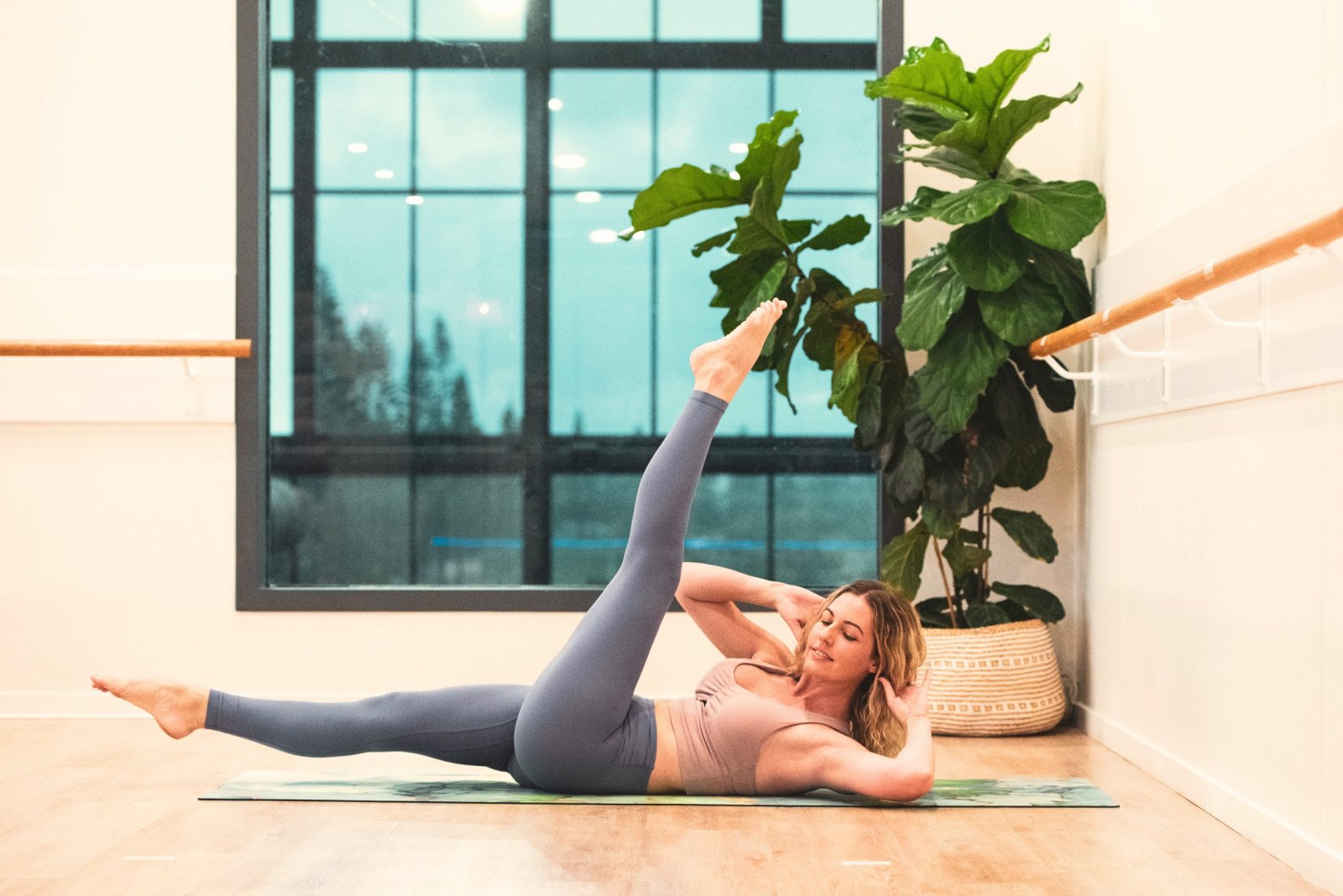
Stage 1: Breathing and connection
Diaphragmatic breathing
- Lie on your back with knees bent, or sit tall if lying down is uncomfortable.
- Place one hand on your lower ribs and the other on your belly.
- Breathe in through your nose for a slow count of four, feeling the ribs widen sideways.
Pelvic tilts
- Lie on your back with knees bent and feet flat.
- Breathe out and gently roll the pelvis so the lower back lengthens towards the floor.
- Breathe in and return to neutral.
Stage 2: Small controlled movements
Heel slides
- Lie on your back with knees bent, or sit reclined if lying flat is uncomfortable.
- Breathe out and slide one heel away until the leg is nearly straight, keeping the lower back and pelvis still.
- Breathe in and slide it back.
Bridge
- Lie on your back with knees bent, feet hip-width apart.
- Breathe out and lift the hips a few centimetres, keeping the ribs and pelvis connected.
- Breathe in at the top, then breathe out and lower slowly.
Stage 3: Progressions
Progress only when each movement feels easy, your breathing stays steady, and you see no doming along the midline of your belly. As you add movements, choosing a pilates studio that understands postpartum recovery can help you keep progressing at a pace that respects your body.
Possible progressions include:
- Longer heel slides or a single-leg lift with the other foot on the floor.
- A bridge with a small march, lifting one foot slightly at the top.
- Side-lying clamshells to build hip and glute support for the pelvis.
Watch out: stop or regress if you notice doming or a ridge along the midline of your abdomen, pain, increased vaginal bleeding, pelvic heaviness, leaking, or pressure in the vagina.
Cesarean and perineal recovery considerations
If you had a caesarean, scar tissue and abdominal healing affect how much core work feels comfortable. Start with breathing and pelvic tilts, avoid strong twisting or heavy lifting until cleared, and stop if the scar pulls or stings. After a perineal tear or episiotomy, adjust sitting and lying positions, and keep pelvic floor lifts gentle rather than grippy. Adapt the stages to your own symptoms and clinician’s advice rather than a fixed timeline.
Your First Postpartum Pilates Workout at Home
A short home session is a good first step. Keep it to 10 to 15 minutes and stop if you feel dizzy, pain or pressure in your pelvis.
Sample routine:
- Breathing practice, two minutes
- Pelvic floor squeezes, one minute
- Pelvic tilts, 8 repetitions
- Bridge, 8 repetitions
- Heel slides, 6 each side
- Finish with slow breathing, two minutes
If you would rather start with other mothers, our studio’s postnatal wellness and bonding classes offer a supportive group setting. Read our FAQ for more on how classes are adapted. Morning Light Studio classes can be booked directly through our website.
Frequently Asked Questions
When can I start Pilates after giving birth?
Most new mothers can begin gentle postnatal Pilates once they have had their medical check, which is usually around the six-week postnatal visit. Recovery varies after a vaginal birth and after a caesarean, so the timing depends on your healing and any complications. Start with breathing and pelvic floor work, and build up slowly. If you notice heaviness, leaking, pain or bleeding, stop and speak with your doctor or physiotherapist before continuing.
Is Pilates safe after a caesarean birth?
Pilates can be safe after a caesarean, but the incision needs to be well healed and your doctor needs to confirm you are ready. Avoid pressure on the scar and any movement that strains your abdomen in the early weeks. Begin with gentle breathing, pelvic floor activation and short bridge work. Many women find that progressing slowly with a qualified instructor who knows postnatal modifications gives the best results.
What postnatal Pilates exercises should I avoid early on?
In the first weeks, avoid full sit-ups, double leg lowers, heavy twisting and anything that causes your stomach to dome or bulge along the midline. These can increase strain on the abdominal wall and may worsen diastasis recti. Stop any exercise that causes pelvic pain, leaking or a feeling of pressure in the pelvis, and modify it into a smaller movement instead.