Quick Summary
Beginner yoga poses for stress include Child’s Pose, Cat-Cow, Standing Forward Bend, Downward-Facing Dog and Legs Up the Wall. Each is held gently, paired with a slow breath, and modified with props so beginners can practise safely.
- Child’s Pose: inhale for four counts, exhale for six, to ease lower-back tension.
- Cat-Cow: move slowly for eight to ten rounds, linking each movement to your breath.
- Legs Up the Wall: rest for two to five minutes to lower the sense of urgency.
- Stop and rest if you feel sharp pain, numbness, tingling or dizziness.
- If pregnant, recovering from injury or managing a health condition, check with a qualified practitioner first.
Table of Contents
- Beginner Yoga Poses for Stress: Five Poses to Start With
- Breathing With Each Pose: Yoga Breathing Exercises for Stress
- A 10-Minute Beginner Yoga Routine at Home, Then Your Next Class at Morning Light Studio
- Frequently Asked Questions
Beginner Yoga Poses for Stress: Five Poses to Start With
Last Updated: November 26, 2026
Feeling wound up? Beginner yoga poses for stress can help you slow down, one breath at a time.
Below are five beginner-friendly poses with English and Sanskrit names, a short how-to, a breath cue, a modification, and why each helps with stress. Hold each only as long as comfortable, and stop if you feel sharp pain.
-
Child’s Pose (Balasana). Kneel, sit back on your heels, and fold forward with arms stretched out, forehead on the mat or a folded blanket. Breath cue: inhale into your back ribs for four counts, exhale for six. Modification: cushion under hips or between thighs and calves, or forearms on a chair seat. Why it helps: the forward fold and longer exhale slow the breathing rate and ease lower-back tension.
-
Cat-Cow (Marjaryasana-Bitilasana). On hands and knees, wrists under shoulders and knees under hips, inhale to drop the belly and lift the chest (Cow), exhale to round the spine and tuck the chin (Cat). Move slowly for eight to ten rounds. Modification: blanket under the knees, or do the same spinal movement seated in a chair. Why it helps: gentle spinal flexion and extension loosens the back and gives the mind a simple rhythm to interrupt tense thoughts.
-
Standing Forward Bend (Uttanasana). Stand feet hip-width apart, fold forward from the hips with soft knees, head hanging and arms dangling or hands on shins or a block. Breath cue: exhale as you fold, then breathe slowly into the back of the body for five breaths. Modification: bend knees generously, hands on a chair seat or two blocks, or take the shape seated on a chair. Why it helps: it gently stretches hamstrings and calves and releases the neck and shoulders; some beginners find the inverted position briefly quietens the mind.
-
Downward-Facing Dog (Adho Mukha Svanasana). From hands and knees, lift your hips into an inverted V, pedalling the heels and keeping a soft bend in the knees. Breath cue: five slow breaths, letting the exhale lengthen. Modification: bend knees more, hands on a chair seat or wall, or take Puppy Pose. Why it helps: it stretches the back of the body, builds steady arm and shoulder strength, and gives restless energy somewhere to go.
-
Legs Up the Wall (Viparita Karani). Lie down with legs resting straight up against a wall, hips a comfortable distance away, for two to five minutes. Breath cue: breathe naturally through the nose, exhale slightly longer than inhale. Modification: folded blanket under hips, or lower legs on a chair seat. Why it helps: it is one of the easiest ways to unwind, and the supported rest lowers the sense of urgency that comes with stress.
Watch out: sharp pain, numbness or tingling in hands or feet, or dizziness when folding forward are signals to come out and rest; if pregnant, recovering from injury, or managing a health condition, check with a qualified practitioner first. When these warning signs call for a pause, mindfulness techniques for anxiety can offer a gentle way to settle the mind without pushing the body.
Here is a quick reference to the five poses, their breath cues, and what each one does for stress.
| Pose | Breath cue | Why it helps |
|---|---|---|
| Child’s Pose (Balasana) | Inhale four counts, exhale six | Eases lower-back tension |
| Cat-Cow (Marjaryasana-Bitilasana) | Inhale Cow, exhale Cat | Gives the mind a simple rhythm |
| Standing Forward Bend (Uttanasana) | Exhale as you fold, five breaths | Releases neck and shoulders |
| Downward-Facing Dog (Adho Mukha Svanasana) | Five slow breaths | Gives restless energy somewhere to go |
| Legs Up the Wall (Viparita Karani) | Natural nasal breath, longer exhale | Lowers the sense of urgency |
Breathing With Each Pose: Yoga Breathing Exercises for Stress
Breath is what turns a stretch into a calming practice. Match your breathing to each movement, and keep it slow and steady.
A slower breathing rate, especially a longer exhale than inhale, is a commonly used way to settle the body and mind. If four counts in and six out feels a stretch, start with three and four and build up.
Watch out: if you feel dizzy, tingly, or breathless, stop counting and return to your natural breath; breath retention and forceful breathing are not beginner practices.
A realistic note. Gentle yoga and slow breathing are widely used as self-care for everyday tension (Relaxation, Breathing, and Mindful Movement). Think of this as one supportive habit, not a replacement for care from a GP, psychologist, or other qualified professional. If stress is affecting your sleep, work, or relationships, speak to your doctor.
A 10-Minute Beginner Yoga Routine at Home, Then Your Next Class at Morning Light Studio
Here is a simple routine you can try at home:
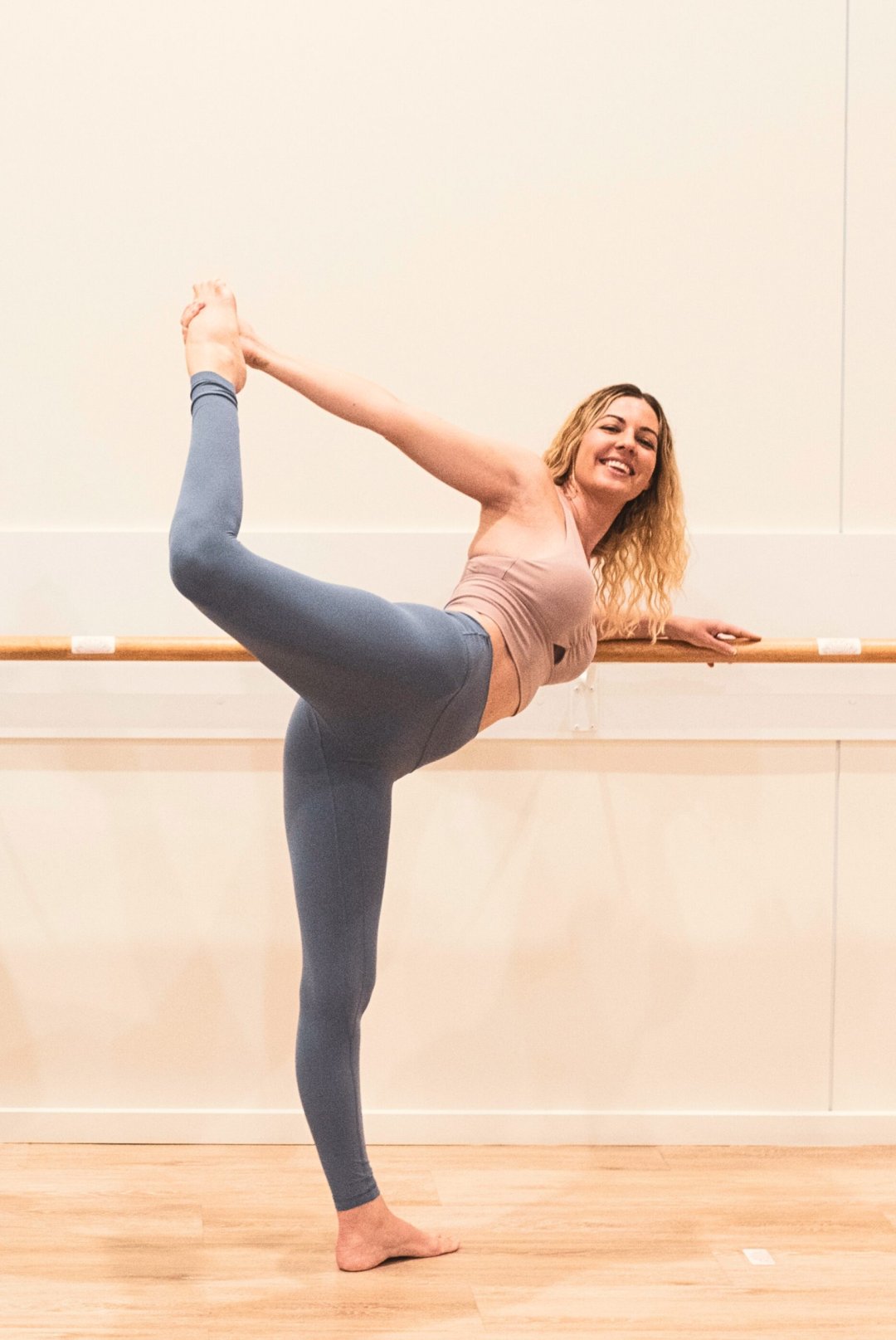
Once comfortable, a guided class can help you refine your practice. Learn how to find supportive yoga classes that suit you before you commit to one. Our Yoga, Pilates and Barre classes suit beginners, and you can check current class prices before you book.
Ready to take the next step? Explore our yoga classes at Morning Light Studio and discover a calm, welcoming space to practise. Book a Class today.
Frequently Asked Questions
How long should I do yoga for stress relief as a beginner?
Ten to fifteen minutes a day is a sensible starting point for most beginners. Short, regular sessions are easier to keep up than occasional long ones, and many people notice their breathing slowing within the first week. Hold each pose for about five breaths, move slowly, and stop if anything feels sharp. As the practice feels comfortable, you can extend the session gradually rather than pushing for a longer routine straight away.
Can yoga help with anxiety and stress?
Yoga combines gentle movement, posture and focused breathing, which many people find calming when they are feeling tense or anxious. It is best seen as one supportive habit alongside other approaches, not a replacement for medical care. If stress or anxiety is affecting your daily life, speak with your GP or another qualified health professional.
Can I practise yoga at home if I’m a complete beginner?
Yes. A small, clear space and a mat are enough to begin with a short routine of two or three poses. Following a timed sequence, such as the 10-minute routine above, helps you keep to a steady pace. If you have an injury, are recovering after pregnancy or have a health condition, check with your health professional before starting.