Last Updated: November 5, 2026
Quick Summary
To find supportive yoga, start by identifying your needs, such as recovery from surgery, pregnancy or an injury, and whether you want calm stretching or strength and pace. Gentle and restorative styles suit most newcomers, and a supportive teacher offers props, modifications and open questions.
- Ask yourself whether you are recovering from surgery, pregnancy or an injury.
- Gentle and restorative styles suit most newcomers; save vinyasa until you feel confident.
- A supportive teacher offers props like blocks, straps or a wall.
- Good teachers describe options for more than one level in the same class.
- Call or message the studio before booking to ask whether it suits complete beginners.
Table of Contents
- Choosing a Beginner-Friendly Yoga Class
- Spotting a Supportive Yoga Teacher and Gentle Yoga Options
- Questions to Ask a Yoga Studio Before Your First Class
- Frequently Asked Questions
Choosing a Beginner-Friendly Yoga Class
Finding a supportive yoga class starts with knowing what you need. Many beginners walk into the wrong class and feel out of place within minutes, so a little planning goes a long way.
Start by answering three quick questions:
- Are you recovering from surgery, pregnancy or an injury?
- Do you want calm and stretching, or strength and pace?
- Do you prefer a small group or a larger class?
Gentle and restorative styles suit most newcomers. Vinyasa moves faster, so save it until you feel confident with the basics. Yoga Alliance guide to yoga styles
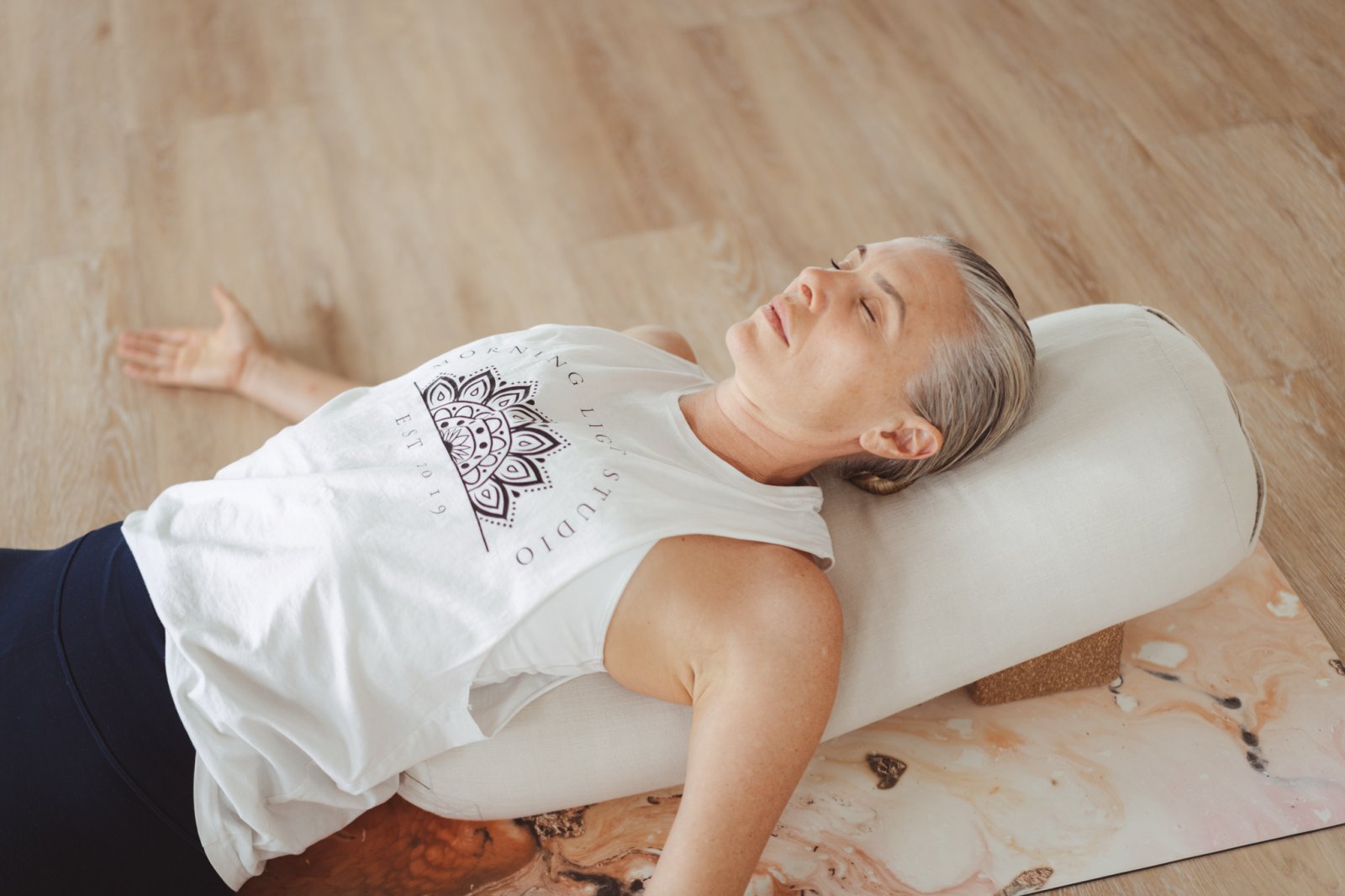
A calm, well-spaced class can make it easier to move at your own pace, and gentle yoga poses may offer a thoughtful starting point when energy is limited.
Browse the class styles at Morning Light Studio to see which options suit you.
Spotting a Supportive Yoga Teacher and Gentle Yoga Options
A supportive teacher explains modifications clearly and checks in with students. They should also let you sit out a pose without comment.
Watch for these signs:
- The teacher offers props like blocks, straps or a wall
- They describe options for more than one level in the same class
- They invite questions before and after class
Be wary of any class that pushes everyone into the same advanced pose. Your body is the guide, not the instructor’s ideal shape.
If you need extra support, ask whether the teacher has experience with your situation. A clinical Pilates option linked to physiotherapy can be a helpful alternative for injuries or recovery.
The article points to a few concrete signs of a supportive teacher and class, which are summarised below.
| Sign | What it looks like | Why it matters |
|---|---|---|
| Props offered | Blocks, straps or a wall | Makes poses accessible |
| Multiple levels | Options for more than one level in the same class | Lets you work at your own pace |
| Open questions | Invites questions before and after class | Shows the teacher checks in with students |
| Pushed advanced pose | Everyone pushed into the same pose | A warning sign to avoid |
Questions to Ask a Yoga Studio Before Your First Class
Call or message the studio before you book. A good studio will answer clearly and without pressure.
Useful questions include:
- Is this class suitable for complete beginners?
- How many students usually attend?
- Can I try a class before paying for a membership?
- What props and modifications are available?
Check current pricing and the low-commitment intro option before you commit. For more answers, see the studio’s frequently asked questions.
Frequently Asked Questions
How do I find a yoga class that is right for me?
Start by deciding what you want from yoga, such as stress relief, mobility or strength, then match that to a style. Gentle, restorative or Hatha classes suit most beginners, while Vinyasa is faster and more physical. Check the class description for the level and pace, and ask the studio whether the class is suitable if you are new or returning after a break. A trial class is the best test, so try two or three styles before committing to a membership or class pack.
What should I ask a yoga studio before booking?
Ask how big the classes are, and whether teachers offer modifications for beginners, stiff bodies or people recovering from pregnancy. Find out if you can arrive early to speak with the instructor, what props are available, and how the studio handles missed classes. Clear answers to these questions usually reflect a studio that takes new students seriously. Check current prices directly with the studio.
How can I tell if a yoga teacher is supportive?
A supportive teacher explains how to modify poses, offers options rather than one correct shape, and checks in with students who look uncomfortable. They avoid comparing bodies, do not push you into deep stretches, and welcome questions from beginners. Watch how they treat students who are new or moving slowly during a trial class. If you feel judged or pressured at any point, that is a clear sign the class is not the right fit, and it is reasonable to try another studio.