Last Updated: November 8, 2026
Quick Summary
Reformer Pilates is worth the cost for people who will attend regularly and value guided, equipment-based training. Divide the price of a membership or pack by the classes you will realistically attend each month to find your true cost per class. Trying a few classes first is the safest way to decide.
- Drop-in classes are the most flexible but cost the most per session.
- Class packs expire, so unused classes effectively waste money.
- Memberships only offer the lowest cost per class if you use the full allowance.
- Reformer classes suit beginners who want supervised strength and control progression.
- Reformer Pilates is not a substitute for physiotherapy if you are injured.
Table of Contents
- What You Actually Pay for Reformer Pilates
- Reformer Pilates vs Mat Pilates: Where the Extra Cost Goes
- Is Reformer Pilates Worth It for Beginners and Your Goals
- Frequently Asked Questions
What You Actually Pay for Reformer Pilates
Is reformer Pilates worth the cost? For most people, it depends on how often they will attend and what they would otherwise spend. Morning Light Studio offers Reformer Pilates alongside Yoga, Mat Pilates and Barre, so the decision is usually about cost per session and commitment.
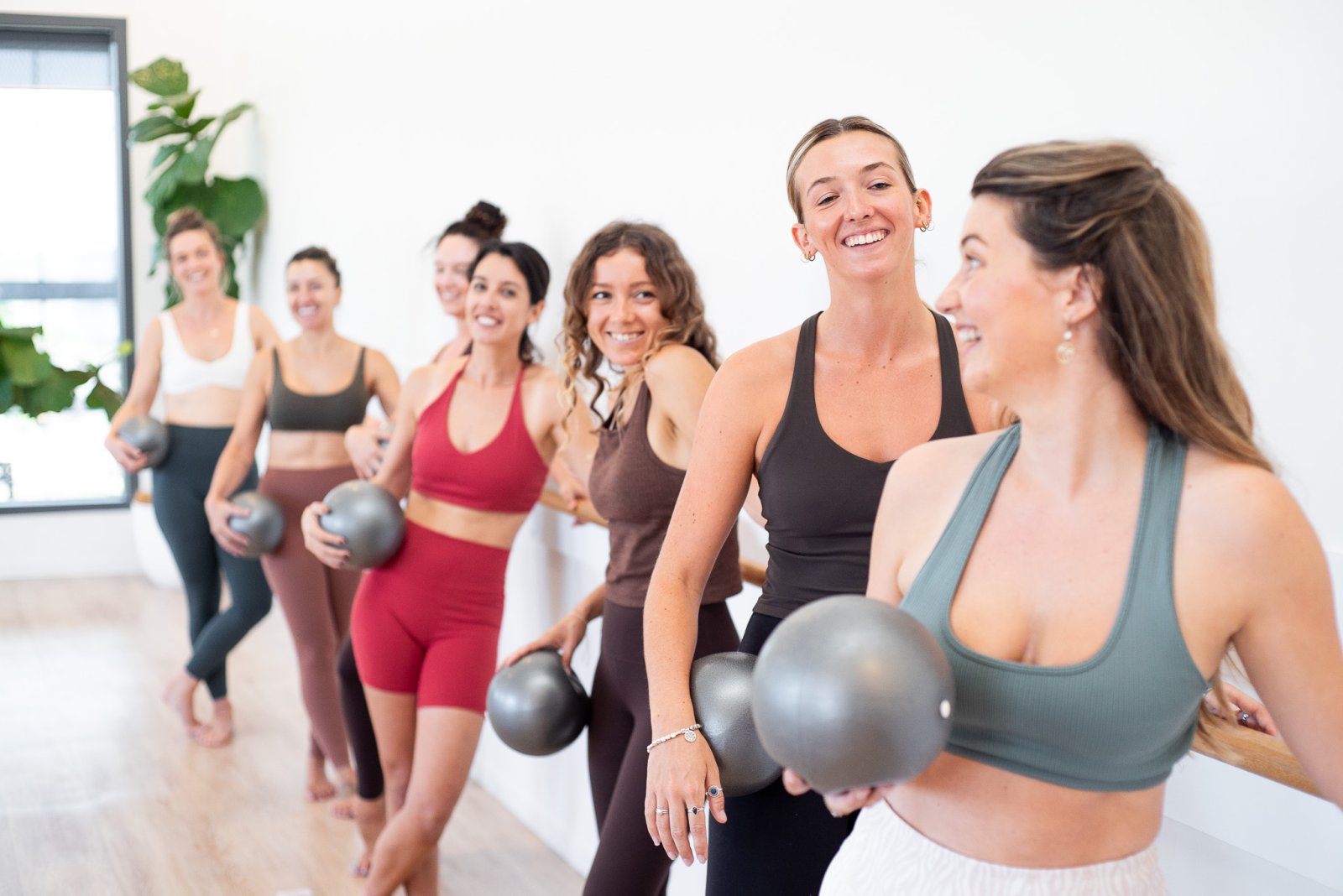
Reformer Pilates classes can be booked in several formats, each changing the effective cost per class:
- Drop-in classes. Most flexible, highest cost per session; best for testing the format.
- Class packs. Bought upfront at a lower per-class rate; packs expire, so unused classes waste money.
- Memberships. Recurring fee for a set number of classes; lowest cost per class only if you use the allowance.
- Private sessions. Premium one-to-one instruction; worth it for rehab, technique or first-time confidence.
- Home equipment. A significant upfront purchase once delivery, space, maintenance and instruction are included.
Pricing depends on class type, membership or pack, and start date, so figures are not quoted here. Check Morning Light Studio’s website for current prices or a quote before comparing providers.
Judge cost by cost per class: divide the price of a membership or pack by the classes you will realistically attend each month. If you attend only half the classes you paid for before they expire, your effective cost per class doubles.
A trial helps: try a few classes before committing to a longer plan.
The article lays out the main ways to book reformer classes, and each one changes what a single session costs you.
| Booking format | Cost per class | Key trade-off |
|---|---|---|
| Drop-in classes | Highest | Most flexible; best for testing |
| Class packs | Lower upfront rate | Unused classes expire and waste money |
| Memberships | Lowest if fully used | Only worth it if you use the allowance |
| Private sessions | Premium | Suits rehab, technique or first-time confidence |
| Home equipment | Large upfront purchase | Includes delivery, space and maintenance |
Reformer Pilates vs Mat Pilates: Where the Extra Cost Goes
Reformer Pilates uses a machine with springs, a moving carriage and adjustable resistance; Mat Pilates uses only bodyweight and a mat. You can see what is included in the studio’s Reformer Pilates classes. The equipment is the main reason reformer classes cost more to run.
!A woman in activewear working on a reformer machine in a bright, light-filled studio, with an instructor nearby
Many beginners find guided reformer work builds control faster than a mat class, which can make the price difference worth it.
Mat Pilates remains a sound, lower-cost choice for general conditioning. A cheaper class only saves money if you keep attending it.
Is Reformer Pilates Worth It for Beginners and Your Goals
Reformer Pilates can suit beginners who want supervised progression and strength work. It is less useful if your only goal is occasional stretching.
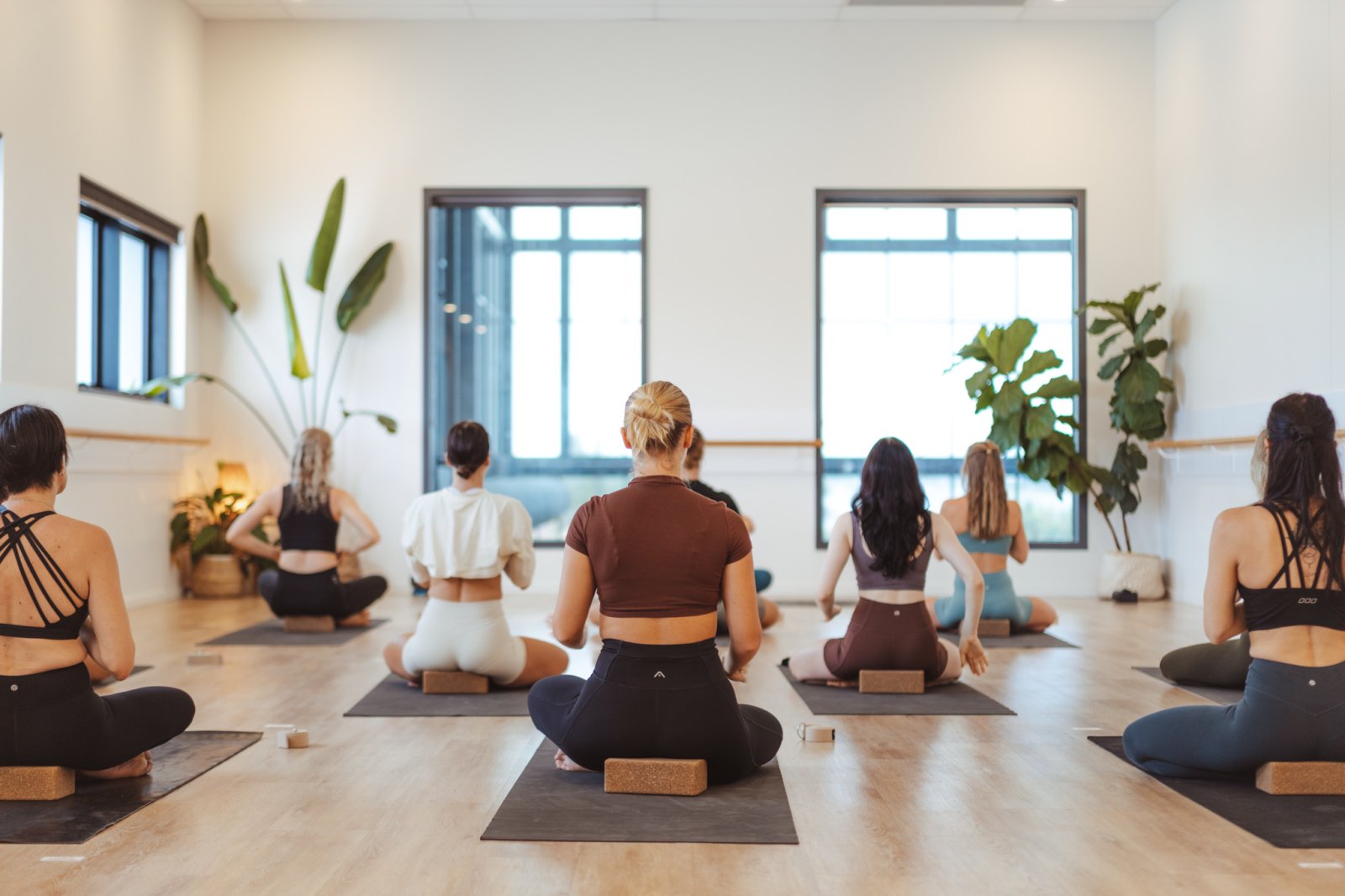
Whether the cost is justified depends on matching the format to your goal:
- Strength and core conditioning. Spring resistance and a moving carriage build control and muscular endurance, the strongest case for the premium over a mat class.
- Mobility and posture. Reformer exercises can support flexibility and postural awareness; treat improvements as gradual.
- Weight loss. It contributes to energy expenditure and strength but is not a primary weight-loss tool; expect changes only alongside consistent attendance and diet.
- Injury prevention and rehabilitation. Guided work can be valuable for controlled loading, but it is not a substitute for physiotherapy; start with a private session or clinical assessment if injured.
- General wellbeing and variety. If you already strength train, reformer classes complement your program rather than replace it.
The studio’s guide to reformer Pilates benefits for mobility includes a beginner routine you can try at home.
Reformer Pilates is worth the cost when you will attend regularly and value guided, equipment-based training. If unsure, start with a trial and calculate your cost per class first; committing to a long membership before trying a few classes is the most common way beginners overspend.
Frequently Asked Questions
Is reformer Pilates worth the money?
It depends on how often you will go and what you want from it. Reformer classes cost more per session than mat classes, so the value comes from consistent attendance, guided instruction and progressive resistance that is hard to replicate at home. If you attend only occasionally, a cheaper mat class may give similar movement benefits. Compare the cost per session against how many times you realistically expect to attend each month before committing to a membership. A trial class lets you test this without a long contract.
How often should you do reformer Pilates to see results?
Most people notice gains in mobility, posture and core control after a few weeks of regular practice, typically one to three sessions per week. Consistency matters more than intensity. Attending once a fortnight rarely produces noticeable change, while a steady routine lets you build on each session. Talk to your instructor about a schedule that suits your current fitness, and allow rest days between sessions while your body adapts to the springs and resistance.
Is reformer Pilates suitable for beginners?
Yes. Beginner-friendly classes introduce the carriage, springs and footwork gradually. Tell the instructor about any injuries or recent surgery before class, and ask for modifications if needed. Expect the first few classes to feel unfamiliar, and it is normal to take time to get comfortable.